

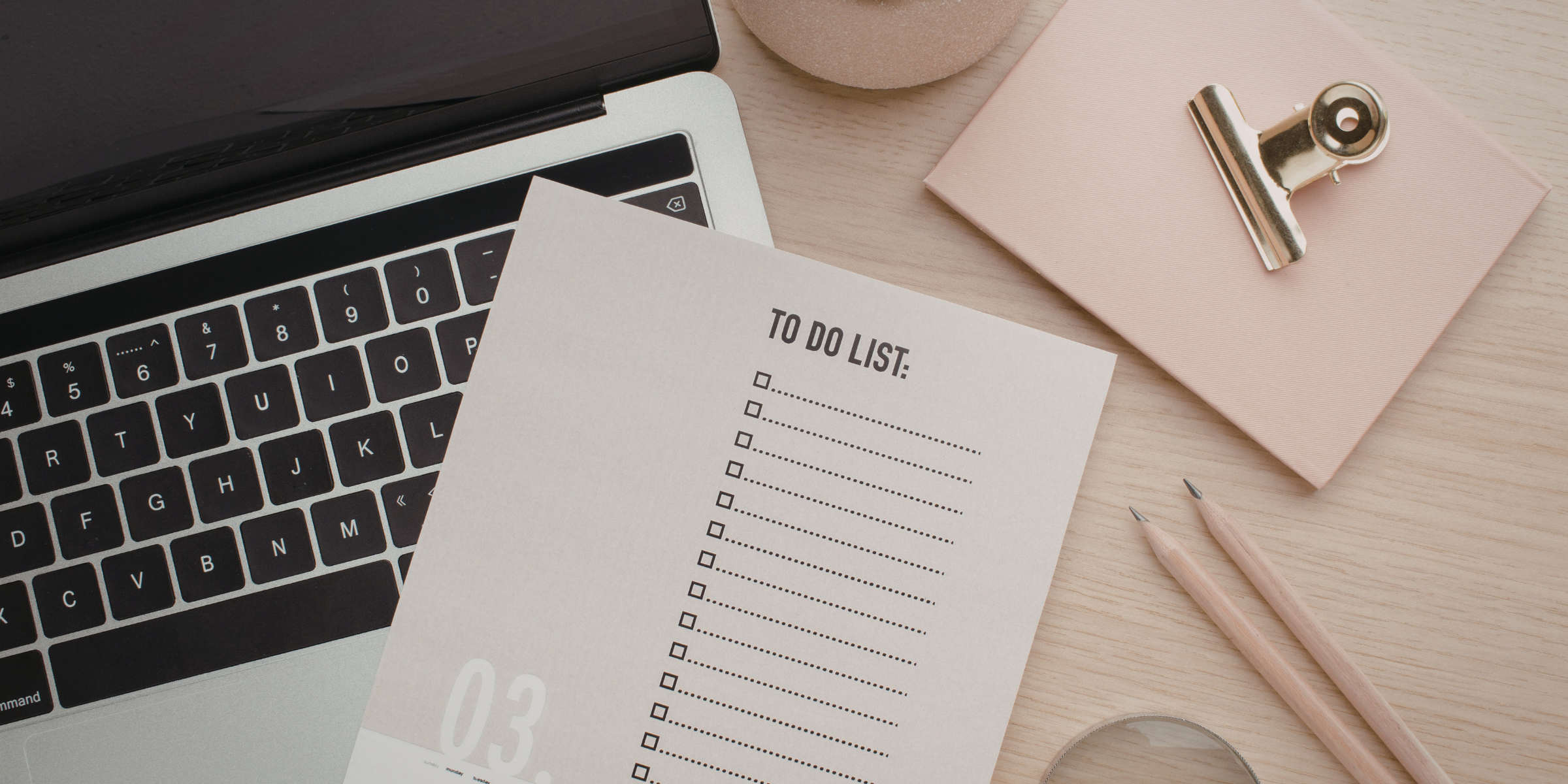
The Mental Load Is Killing Your Libido
If you've ever found yourself lying in bed at the end of a long day wondering why intimacy feels like the last thing on your mind, you're not alone.
Many women assume that a fading interest in sex must be hormonal. Maybe it's perimenopause. Maybe it's menopause. Maybe it's aging. Maybe something is wrong with their libido.
But often, the answer is far less complicated and far more overlooked.
It's exhaustion.
Not the kind of exhaustion that comes from a poor night's sleep. The deeper kind. The mental exhaustion that comes from carrying the invisible weight of everyday life.
The appointments. The schedules. The grocery lists. The work deadlines. The family logistics. The emotional labor of remembering, anticipating, organizing, and managing.
For so many women, life has become one long series of responsibilities. And while we're finally beginning to have more honest conversations about hormones, menopause, and sexual wellness, we still don't talk enough about the impact of the mental load.
Because desire doesn't disappear in a vacuum.
It disappears when there's no room left for it.
The truth is that many women are spending their days in a constant state of output. Giving. Producing. Solving. Caring. Managing. Holding everything together.
Then, at the end of the day, they're expected to seamlessly transition into a state of pleasure and connection.
It's an impossible expectation.
Desire doesn't thrive in overwhelm.
It thrives in presence.
And presence is difficult to access when your brain is still mentally preparing tomorrow's to-do list.
The irony is that many women begin blaming themselves for this disconnect. They wonder why they don't feel interested in intimacy the way they once did. They question their attraction to their partner. They worry that something inside them has fundamentally changed.
Yet what if the issue isn't a lack of desire at all?
What if the issue is that desire has been buried beneath layers of stress, responsibility, and chronic overstimulation?
We often think about libido as something that lives exclusively in the body. But desire begins long before any physical response. It begins in the brain.
Your brain is constantly scanning for cues of safety, stress, comfort, and overwhelm. When it perceives pressure, urgency, or emotional depletion, it prioritizes survival over pleasure. This isn't a flaw. It's biology.
For women carrying a significant mental load, the nervous system rarely gets the opportunity to fully relax.
Even moments that look like rest aren't always restorative.
You may be sitting on the couch watching television while simultaneously planning meals for the week, worrying about your aging parents, responding to emails, and mentally reviewing everything you forgot to accomplish that day.
Your body may be still.
Your mind is not.
Over time, this constant state of mental activity can create a profound disconnect from the body itself.
And that's where many women begin to lose access to sensuality.
Not because it no longer exists.
But because they rarely have the opportunity to experience it.
At Lubify, we believe sensuality is much bigger than intimacy. It's the ability to fully inhabit your body and experience pleasure through your senses. It's noticing how your skin feels after a shower. It's pausing long enough to enjoy a favorite fragrance. It's allowing yourself to experience softness, comfort, and delight without feeling the need to earn it first.
Yet modern life often pulls us away from those experiences.
We become so focused on productivity that we forget how to receive.
And pleasure requires receiving.
This is especially true during midlife.
For many women, perimenopause and menopause arrive during one of the busiest chapters of life. Careers are demanding. Children may still require support. Parents are aging. Relationships are evolving. The responsibilities seem endless.
At the exact moment when hormonal shifts may already be affecting energy, sleep, and desire, women are often carrying more emotional labor than ever before.
No wonder intimacy can feel different.
No wonder desire sometimes feels distant.
But here's what we want women to understand:
Desire is not a performance.
It's not another task to complete.
It's not something you force.
It's something you create space for.
That shift in perspective changes everything.
Rather than asking, "How do I fix my libido?" a more compassionate question might be:
"How can I create more room for myself?"
For some women, that may mean setting better boundaries around work.
For others, it may mean having honest conversations about sharing responsibilities at home.
Sometimes it means scheduling moments of restoration with the same intention we schedule everything else.
And sometimes it means reconnecting with the body in small but meaningful ways.
That could look like:
- Taking a walk without your phone.
- Creating a simple evening ritual that helps you unwind.
- Practicing mindfulness for a few minutes each day.
- Choosing products that make daily self-care feel luxurious and intentional.
- Giving yourself permission to slow down without guilt.
These moments may seem insignificant, but they send an important message to the nervous system.
You are safe. You can soften. You don't have to be productive right now.
And from that place, something remarkable begins to happen.
The body starts to respond. The mind becomes quieter. The senses become more awake.
Pleasure feels more accessible. Connection feels more natural.
Not because you've fixed yourself, but because you've stopped treating yourself like another item on your to-do list.
At Lubify, we're passionate about creating products that support intimacy, comfort, and confidence. But we also believe that true wellness begins long before the bedroom.
It begins with giving yourself permission to matter.
To rest. To receive.
To reconnect with your body not because it needs to perform, but because it deserves care.
The mental load may be one of the greatest barriers to desire that women face today. But it doesn't have to define your experience.
When you create space for yourself, you create space for pleasure.
And sometimes, that's where everything begins.